Bunglon: A Creative Font for Modern Branding
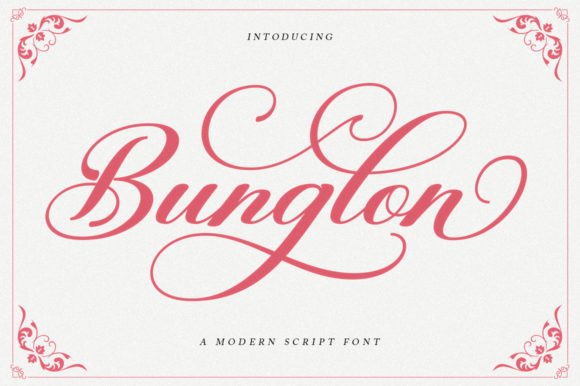
There’s a particular kind of lettering that feels instantly familiar yet distinctly fresh. It’s the script you see on a craft coffee bag that makes you trust the quality inside, or the elegant swirl on a wedding invitation that sets the tone for the entire event. This is the space Bunglon occupies. It’s a modern calligraphy typeface that doesn’t try to replicate a historical hand but instead captures the spontaneous, fluid motion of contemporary brush and pen work. The letterforms are casual and beautiful, characterized by their smooth connections and optional swashes that add a touch of flair without overwhelming a design.
Where Bunglon Finds Its Voice
Think of Bunglon as a versatile performer, not a one-note specialist. Its strength lies in its ability to adapt to different roles while maintaining its core personality. For entrepreneurs and small business owners, this font can become a cornerstone of a brand identity. Imagine it gracing the logo of a boutique bakery, the packaging for artisanal skincare, or the signage for a cozy café. It communicates craftsmanship and a personal touch. In the world of publishing and editorial design, Bunglon shines on book covers, magazine headlines, and pull quotes, where it can inject personality into a layout without sacrificing the clarity needed for body text when paired appropriately.
Digital applications are equally strong. The clean, connected letters of Bunglon translate well to social media graphics, website hero sections, and email headers. Its PUA encoding is a practical advantage here, allowing designers to easily access a full suite of glyphs and ligatures to create unique, eye-catching text treatments directly within design software. This means the word “Bloom” on a florist’s Instagram post can have a custom, hand-lettered feel in seconds, elevating a simple graphic into something shareable and memorable.
Practical Considerations for Designers and Creators
Choosing a font like Bunglon is about more than just liking how it looks in a specimen sheet. It’s about evaluating fit for a specific project’s goals and audience. As a display font or script font, its primary job is to attract attention and convey a mood. Therefore, it’s rarely the right choice for long paragraphs of body copy. Its readability depends heavily on size and context. At large scales for headlines, logos, and titles, its character details and swashes are clear and effective. At small sizes, especially on screens with lower resolutions, those same details can become muddy and difficult to read.
A crucial step in any project is testing font pairing. Bunglon’s flowing, organic style creates a beautiful contrast when paired with a clean, geometric sans serif font or a sturdy, traditional serif font. This contrast establishes a clear visual hierarchy, where Bunglon handles the expressive, emotional headline role while the secondary font ensures readability for supporting text. For example, pairing Bunglon with a font like Montserrat or Lora can create a balanced, professional layout for a website or brochure.
Beyond Aesthetics: The Business of Fonts
For any commercial project, licensing is a non-negotiable consideration. Bunglon is a premium font, and its license typically covers a range of uses, but it’s essential to verify the specific terms for your intended application. Will it be used on a single website? For product packaging sold in retail? On merchandise for sale? A reputable font foundry or marketplace will provide clear licensing information. Treating fonts as design assets—just like stock photos or illustrations—ensures your project is built on a legal and professional foundation.
Ultimately, the value of a creative font like Bunglon lies in its ability to solve design problems. It’s a tool for adding warmth, elegance, or a handcrafted feel to a project. It can help a new brand stand out in a crowded market, give a personal project a polished finish, or help a publisher create an engaging cover. By understanding its personality, testing its limits, and pairing it thoughtfully, you can leverage Bunglon not just as a decorative element, but as a strategic component of effective visual communication and brand identity. Its modern typography style fits seamlessly into contemporary design workflows, offering a blend of aesthetic appeal and practical functionality that meets the needs of today’s creators.